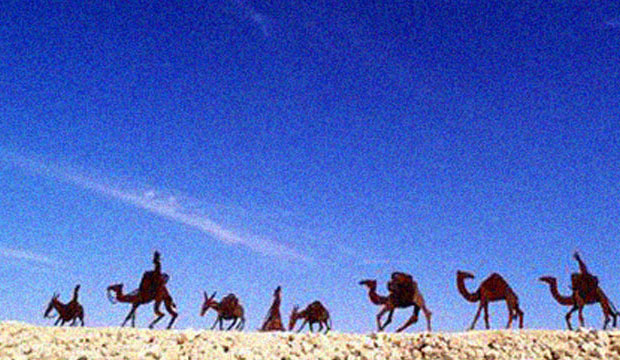
Spices were an important component of ancient commerce well before the 15th-century, but were monopolized for centuries by Middle Eastern and North African middlemen who guarded the Asian provenance of their valuable sources closely and became fabulously wealthy for it. Back then, the colorful grains were used for flavoring food, but also for such tasks as making perfume, embalming the dead, preserving meat and sprucing up salve recipes in traditional medicine. Europe dangled at the far end of the trading chain for spices, without access to eastern sources or the power to contest exorbitant prices. At one point in the 1300s, when tariffs were at their highest, a pound of nutmeg in Europe cost seven fattened oxen and was a more valuable commodity than gold.
Click the Play button to listen.
Audio clip: Adobe Flash Player (version 9 or above) is required to play this audio clip. Download the latest version here. You also need to have JavaScript enabled in your browser.
Excerpt from How the Spice Trade Changed the World, by Heather Whipps, LiveScience’s History Columnist